Nature First: Greener Places for Everyone

We want East Renfrewshire to be a greener, healthier place where nature can thrive and everyone can enjoy good quality green spaces. As places grow, we will protect parks, open spaces and trees and help wildlife and nature thrive across our places and support new planting. New development should also help us prepare for a changing climate, including heavier rainfall and warmer weather.

The Proposed Plan seeks to protect and enhance biodiversity, strengthen nature networks and create greener, healthier and more resilient communities. This approach is reflected through the Proposed Plan and Development Frameworks.


In line with Scotland's national planning policies, new development must seek to minimise impacts on biodiversity and contribute positively to nature recovery wherever possible, encouraging climate change resilience.

When sites were considered through the LDP3 process, ecological information such as habitat surveys, species records, woodland data, watercourses and Nature Network mapping was looked at carefully. This helped identify potential impacts on biodiversity and opportunities to improve habitats, ecosystems and connectivity as part of future development proposals.


What is Biodiversity?

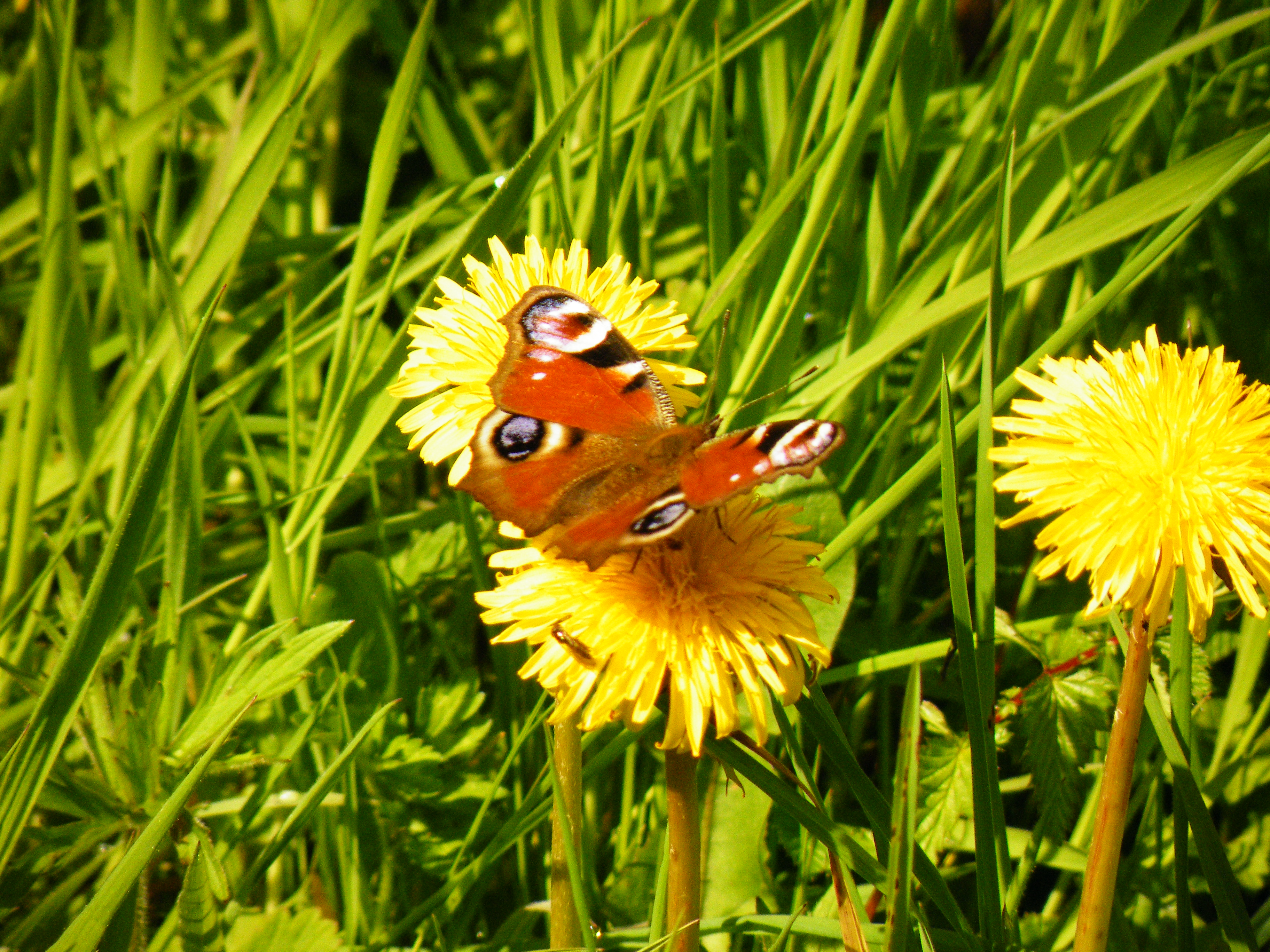
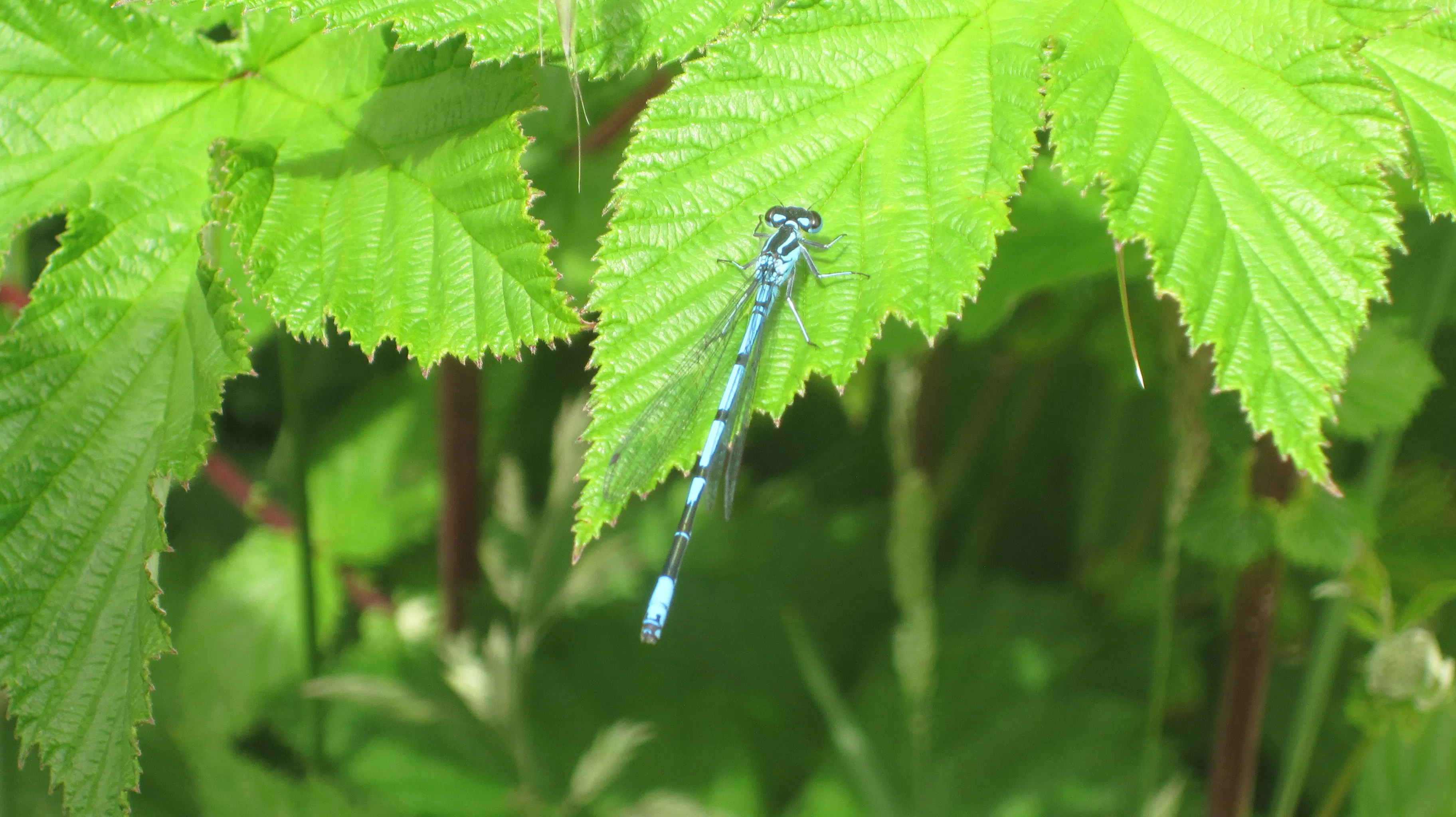
'Biodiversity' refers to all variations of plants, animals, fungi and other living organisms, as well as the habitats and ecosystems which they live in. It includes diversity within species, between species, and across ecosystems.

If biodiversity value is high, it can provide important benefits including:

  • Pollination of crops
  • Flood control
  • Carbon storage
  • Clean air and water
  • Recreation and wellbeing
  • Climate resilience

What are Nature Networks?

Nature Networks are corridors of habitats that connect sites, local biodiveristy areas, and other nature rich stepping stones through areas of suitable habitats. They help wildlife move, feed, breed and adapt to environmental change across the landscape.

Nature Networks are being developed and strengthen across Scotland to tackle biodiversity loss by restoring and connecting fragmented habitats. They support nature recovery, strengthen ecosystem resilience and help wildlife respond to pressures such as climate change.

Through habitat mapping and ecological assessment, East Renfrewshire Council has considered Nature Networks when identifying and assessing development sites. This helps to identify opportunities where new development can contribute to strengthening habitat connections, enhancing ecological corridors and supporting wider nature recovery objectives.


We want East Renfrewshire to be a greener, healthier place where nature can thrive and everyone can enjoy good quality green spaces. As places grow, we will protect parks, open spaces and trees and help wildlife and nature thrive across our places and support new planting. New development should also help us prepare for a changing climate, including heavier rainfall and warmer weather.

The Proposed Plan seeks to protect and enhance biodiversity, strengthen nature networks and create greener, healthier and more resilient communities. This approach is reflected through the Proposed Plan and Development Frameworks.


In line with Scotland's national planning policies, new development must seek to minimise impacts on biodiversity and contribute positively to nature recovery wherever possible, encouraging climate change resilience.

When sites were considered through the LDP3 process, ecological information such as habitat surveys, species records, woodland data, watercourses and Nature Network mapping was looked at carefully. This helped identify potential impacts on biodiversity and opportunities to improve habitats, ecosystems and connectivity as part of future development proposals.


What is Biodiversity?

'Biodiversity' refers to all variations of plants, animals, fungi and other living organisms, as well as the habitats and ecosystems which they live in. It includes diversity within species, between species, and across ecosystems.

If biodiversity value is high, it can provide important benefits including:

  • Pollination of crops
  • Flood control
  • Carbon storage
  • Clean air and water
  • Recreation and wellbeing
  • Climate resilience

What are Nature Networks?

Nature Networks are corridors of habitats that connect sites, local biodiveristy areas, and other nature rich stepping stones through areas of suitable habitats. They help wildlife move, feed, breed and adapt to environmental change across the landscape.

Nature Networks are being developed and strengthen across Scotland to tackle biodiversity loss by restoring and connecting fragmented habitats. They support nature recovery, strengthen ecosystem resilience and help wildlife respond to pressures such as climate change.

Through habitat mapping and ecological assessment, East Renfrewshire Council has considered Nature Networks when identifying and assessing development sites. This helps to identify opportunities where new development can contribute to strengthening habitat connections, enhancing ecological corridors and supporting wider nature recovery objectives.


Page last updated: 19 Oct 2026, 09:47 AM